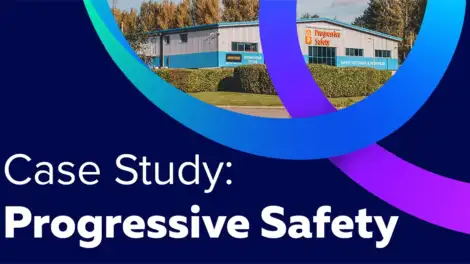
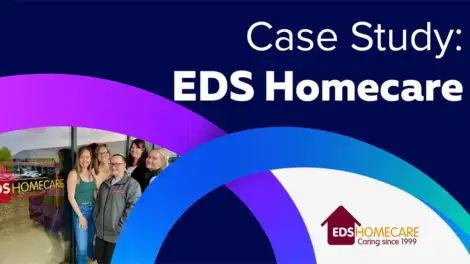
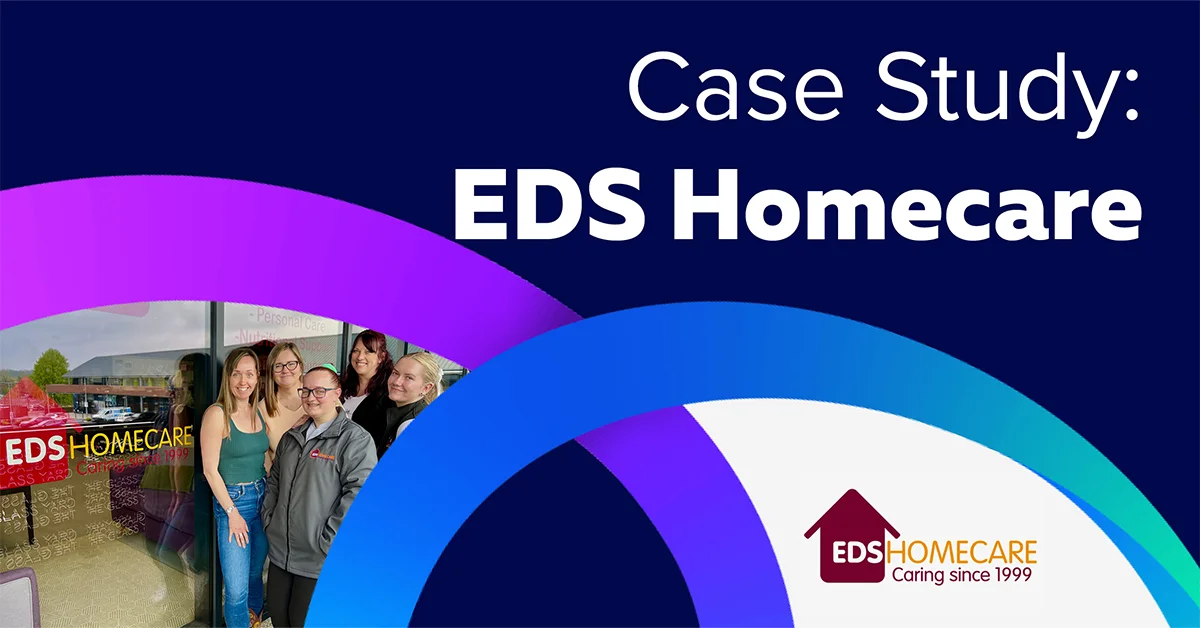
EDS Homecare needed a dependable phone system for a care team handling sensitive, time-critical conversations in the office and on the road.
Organisation: Eyam Domiciliary Service Ltd, trading as EDS Homecare
Service: Personal care for adults in their own homes
Area: The Peak District, North Derbyshire and South Yorkshire
Current status: Active company and CQC-rated Outstanding
The CQC assessed the service between February and March 2026. At that time, 124 people were receiving regulated personal care. At the original 2025 interview, EDS reported around 70 staff.
What communications challenge did EDS face?
Managing Director Kate and her husband Jake had been modernising the organisation’s operations. A priority was replacing the existing phone setup with a more efficient system for clients, families and healthcare partners.
EDS estimated that around 80% of its communications took place by phone. Managers also rotate an on-call service, so they needed consistent access in the office, while travelling and during community visits.
What solution did Wayv provide?
Wayv supplied a cloud-based business phone system for office and mobile working. An auto-attendant directs callers to the appropriate person, while the Wayv mobile app supports managers covering the on-call service.
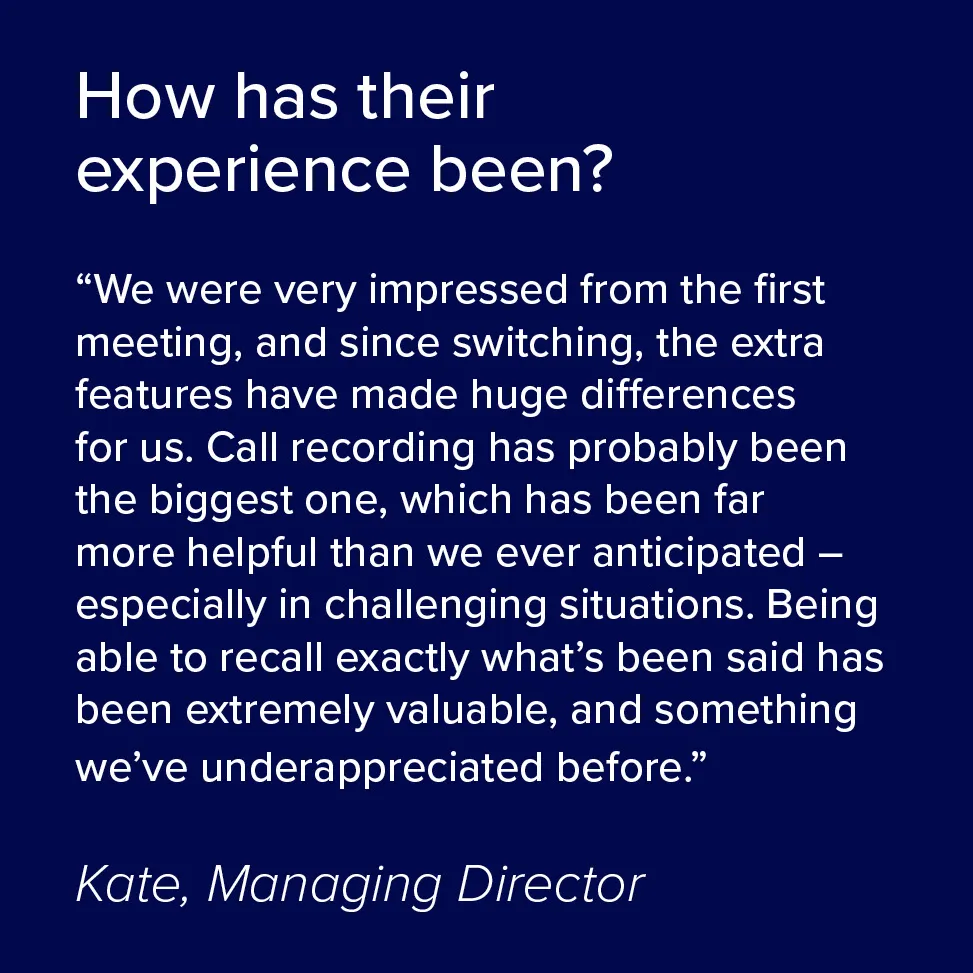
Call recording and transcript generation were also introduced to help authorised staff review critical information and maintain accurate records when fact-checking was required.
What benefits did the phone system deliver?
Reliable access for office-based and mobile staff
Auto-attendant routing to help callers reach the right person
Mobile-app access for managers covering the on-call service
Recordings that authorised staff can review when necessary
Transcripts that support accurate written records
A flexible system that can adapt as working patterns change
Why call handling matters in homecare
Homecare providers exchange information with clients, relatives, GPs, nurses, paramedics, nutritionists and social-care teams. Clear routing and dependable mobile access help urgent calls reach the appropriate colleague, while accurate records can support continuity of care.
Call recording requires careful governance. Organisations should identify a lawful and proportionate purpose, tell callers why recording takes place and manage access, retention and individual rights in line with UK GDPR and current ICO guidance. Recordings and transcripts may contain sensitive personal information, so technical features must sit alongside appropriate policies and staff training.
What can other care providers learn?
A care-sector phone system should be planned around real working patterns: who takes calls, how on-call cover operates, what happens when staff are away from the office and how sensitive information is protected.